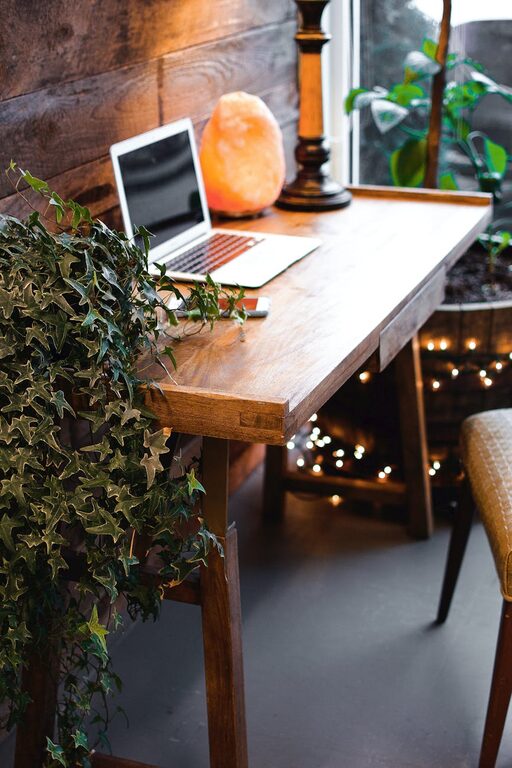
Creating a home office that is both cozy and productive is essential in today’s work-from-home world. Whether you’re a full-time remote worker or need a dedicated space for occasional tasks, your environment plays a big role in how well you focus and feel throughout the day. This guide offers practical tips to help you design a home office that promotes comfort without sacrificing efficiency.
Choose the Right Location
Start by selecting a space in your home that supports your work style. Ideally, this should be a quiet area with minimal distractions. Common options include spare bedrooms, corners of the living room, or sections of a basement. Consider natural light exposure, as good daylight can boost mood and energy levels.
Factors to consider when picking your office spot:
– Proximity to natural light
– Distance from noise sources like the kitchen or TV
– Space for necessary furniture and equipment
– Privacy to avoid interruptions
Invest in Comfortable Furniture
Comfort is key for long workdays. A good office chair with adjustable height and lumbar support can prevent back pain and increase focus. Your desk should be at a height that allows your elbows to rest naturally while typing.
Furniture basics for a home office:
– Ergonomic chair
– Desk with enough surface area
– Footrest, if needed
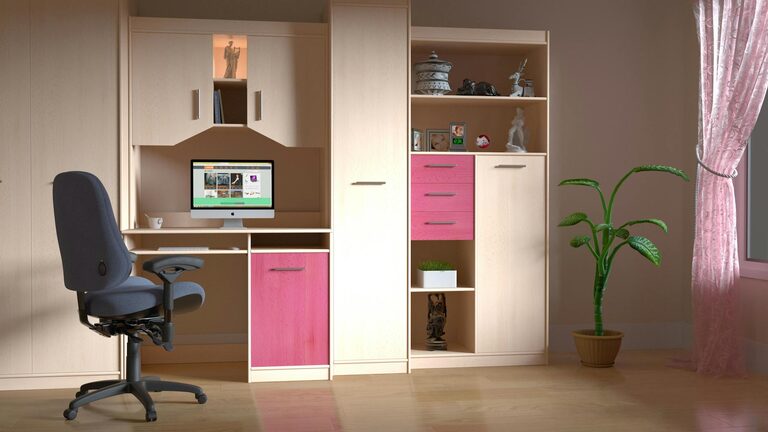
– Storage solutions like filing cabinets or shelves
Optimize Lighting
Proper lighting reduces eye strain and fatigue. Natural light is best, but you should also have layered lighting options for cloudy days and evening work hours.
Lighting tips:
– Position your desk near a window for sunlight
– Use desk lamps with adjustable brightness
– Avoid harsh overhead lights that cause glare
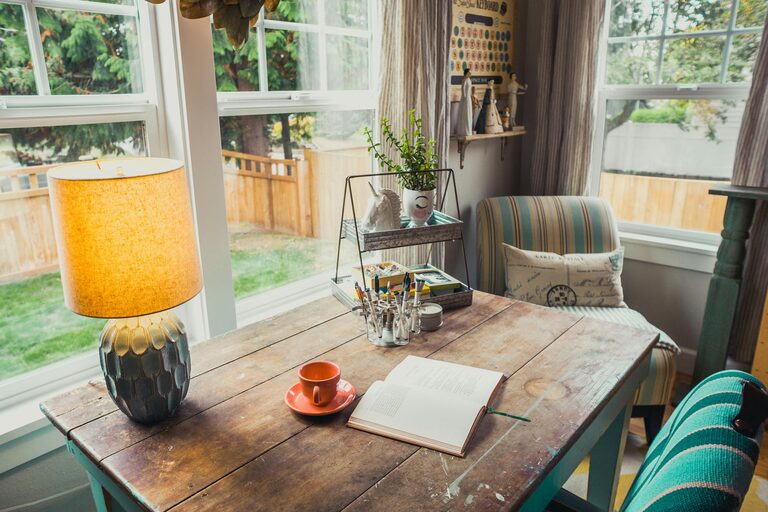
– Consider using warm-colored bulbs for a cozy ambiance
Keep Your Space Organized
Clutter can distract and make it hard to find what you need. Organize your office with a system that works for you and keep often-used items within reach.
Organization ideas:
– Use trays or baskets for papers
– Label storage boxes
– Limit decorative items to a few favorites
– Regularly clear out unused materials
Add Personal Touches
While productivity is important, your home office should feel welcoming. Include elements that make the space inviting without overwhelming it.
Ways to personalize your office:
– Hang art or photos you love
– Add plants for a touch of nature
– Use a cozy rug or throw blanket
– Choose colors that calm and inspire you
Manage Technology Efficiently
Set up your computer, printer, and other tech to reduce clutter and improve workflow. Cable organizers can keep cords tidy, and a second monitor may boost productivity.
Tech setup pointers:
– Use a wireless keyboard and mouse for flexibility
– Keep chargers and cables organized
– Test your internet speed to ensure smooth video calls
– Backup important files regularly
Maintain Good Air Quality and Temperature
Fresh air and a comfortable temperature can help maintain focus and reduce fatigue. If your room doesn’t have good ventilation, consider using an air purifier or opening windows when possible.
Comfort tips:
– Use a fan or heater as needed
– Keep a small humidifier nearby in dry climates
– Take breaks to step outside for fresh air
Establish Boundaries and Routine
To truly benefit from your home office, set boundaries between work and personal life. Having a clear start and finish time will help you stay productive and avoid burnout.
Tips for work-life balance:
– Set regular working hours
– Use a “Do Not Disturb” sign if needed
– Take short breaks every hour
– End your day by tidying your workspace
—
Designing a home office that feels both cozy and efficient is about blending personal comfort with functional essentials. By thoughtfully choosing your space, investing in the right furniture, and organizing effectively, you can create an environment that supports your best work every day. Remember, your home office should inspire you to focus, not frustrate you — so make it a place you enjoy spending time in!
About the Author